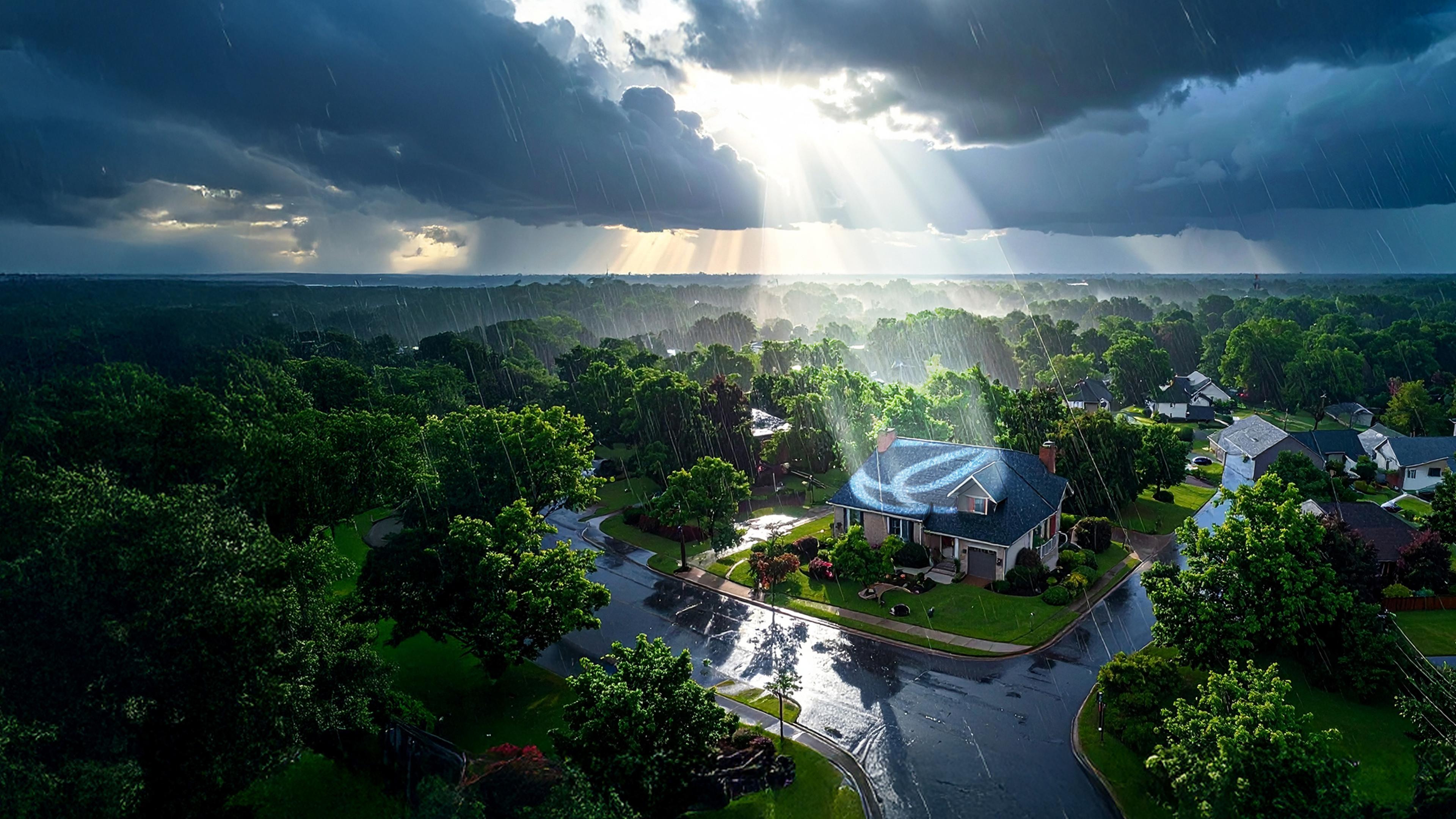
Storms test communities, but they also highlight our strength when we come together. Whether you’ve faced a flood, hurricane or tornado, the first hours and days after the storm are critical. In this guide, we share practical steps for the first days of recovery and working with your insurance partner to rebound faster.
Put safety first
Inside your home: Hazards go beyond wind and water. Without air conditioning, heat inside can rise fast. Older adults, pregnant women, infants, young children and people who are overweight are most at risk. If the storm knocked out your power, drink plenty of water, wear light clothing, use battery-powered fans and spend time in shaded or ventilated spaces.
Power outages also impact food safety. When in doubt, throw food out. Don’t risk illness from spoiled food. And never use grills, propane stoves or generators indoors.
Outside your home: Wait until officials say it’s safe before stepping out. Watch for fallen branches or downed wires and report hazards to your utility company. Avoid flooded or heavily damaged areas. If traffic lights are out, treat intersections as four-way stops.
Document the damage
Once it’s safe, start documenting. Take photos and videos of damaged structures, vehicles and belongings. Capture wide shots and close-ups. Write down when the storm happened and what you observed.
Tip: Prioritize this task early, before you start cleanup. This way you won’t risk losing important evidence.
Prevent further loss
Insurers expect homeowners and businesses to take reasonable steps to limit damage. That doesn’t mean permanent repairs right away, but it may include:
- Covering broken windows with plywood or plastic
- Placing a tarp over a damaged roof
- Moving furniture and valuables out of standing water
- Running fans or dehumidifiers, if safe, to prevent mold
Tip: Save all receipts for materials or temporary repairs. They may be reimbursed.
Working with your insurance agent
In 2024 alone, the U.S. saw 27 separate weather and climate disasters, each causing over a billion dollars in damage1. That scale of loss shows why timely claims and preparation matter so much.
After a storm, your insurance agent is a key partner. Here’s how to make the relationship work for you.
Get started as soon as possible
- Call quickly: Contact your insurance agent first to report damage. You may also need to notify your utility companies about hazards like gas leaks or downed power lines.
- Share what you have: Photos, videos and notes help adjusters.
- Ask questions: Every policy has limits. Know what is covered and what isn’t.
Can you weather the next storm?
Review your coverage, explore options and ensure your policies are ready for anything.
Cover the basics
- Living expenses: If you can’t stay in your home, ask if your policy covers hotel stays, meals or rentals.
- Receipts matter: Save your receipts, even for bottled water or tarps.
Manage expectations
Big storms create backlogs. Insurers may take days to respond and weeks to review a claim. What can you do? Stay in touch with your agent and respond quickly to requests.
Tip: Ask if your insurer offers advance payments on covered losses.
Gather proof
Be ready to show three things:
- That a covered event happened
- That the property was yours
- Its value before the storm
Clear documentation—photos, receipts, contractor estimates and an inventory of home goods—can speed up the claim process.
Be smart about contractors
After big storms, fraudulent contractors often appear. Protect your claim by working with licensed, insured professionals.
Tip: Ask for references and written estimates before agreeing to repairs.
Prepare financially
Know your deductible amounts in advance and, if possible, set aside emergency funds to cover them. This can ease stress and help you act quickly when disaster strikes.
Set timeframe expectations
Insurance timelines vary, but most claims follow the same path: initial contact, inspection and then payment. Knowing this order helps you track progress and understand where you are in the process.
Tip: Keep this quick checklist handy
- Home inventory with photos
- Copies of insurance policies
- Receipts for major purchases
- Emergency contact list (agent, utility companies, contractors)
Engage with your community
Recovery is not only about insurance and repairs. It’s also about people. Neighbors checking on neighbors. Businesses reopening. Volunteers handing out meals. These small acts build resilience.
Think of your community as part of your safety net. Together, support is stronger.
Pin helpful resources
Bookmark these resources before a storm strikes. They provide reliable, nationwide help.
- FEMA Disaster Assistance: disasterassistance.gov – Apply for federal aid and grants
- American Red Cross: redcross.org – Shelter, food and recovery support
- Ready.gov: ready.gov – Preparedness and recovery guidance
- Small Business Administration (SBA): sba.gov – Low-interest loans for businesses and homeowners
- National Weather Service: weather.gov – Forecasts and storm updates
Move forward with Highstreet Insurance Partners
If you’ve experienced storm damage, recovery is the next step forward. By acting quickly, working closely with your insurance agent and being active in your community, you can move forward with confidence.
At Highstreet, our agents see themselves as guides. They’re here to walk beside you, not just process paperwork. Let us help you return to a sense of normalcy. Together, we can move from uncertainty to stability and find hope in what comes next.
Source: 2024, Billion-dollar weather and climate disasters, National Oceanic and Atmospheric Administration (NOAA), 2024