Collections Insurance
Protect all of your treasures — from art and jewelry to memorabilia and antiques — with coverage designed to keep the things you like to collect safe.

Why do you need coverage?
- Home policies may not cover valuable collections
- Standard limits rarely match true market value
- Fortunes can be lost when valuables are stolen or damaged
- Protect your treasures that can’t easily be replaced
What does our coverage do?
- Covers art, jewelry, memorabilia, wine, records and more
- Reimburses your loss from theft or damage
- Adds value protection for new items in your collection
- Extends to your items out on loan or in storage
Protect your collection today.
Even collections in the most protected homes can face misfortune. We’ll help shield you from some of the most common risks that can damage a collection.

Theft and burglary
Break-ins and home thefts can result in the loss of high-value items that home policies often fail to cover at full replacement value.
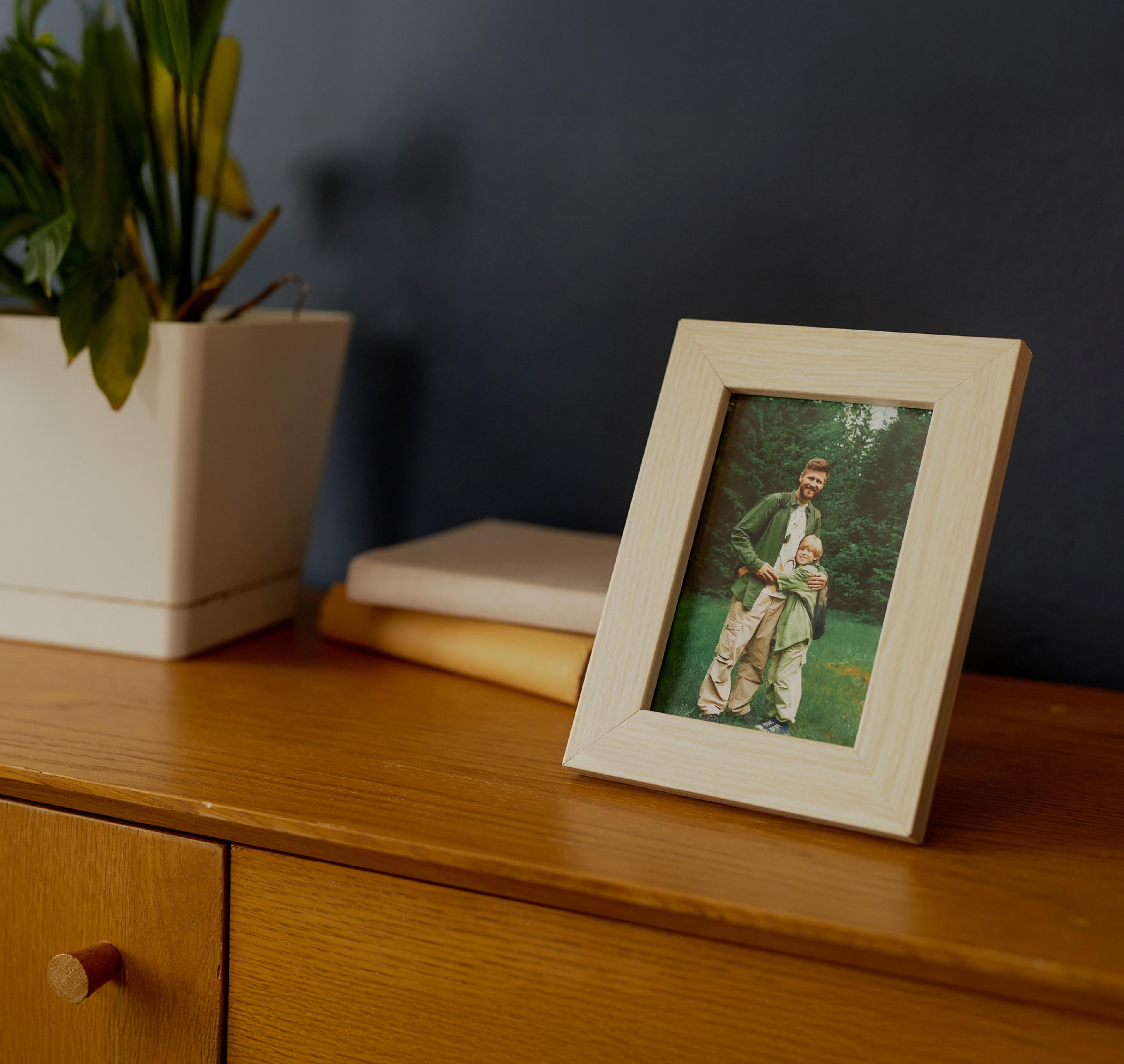
Fire and water damage
Smoke, flood or sprinkler damage can destroy rare and irreplaceable collectibles within minutes, even with quick response.
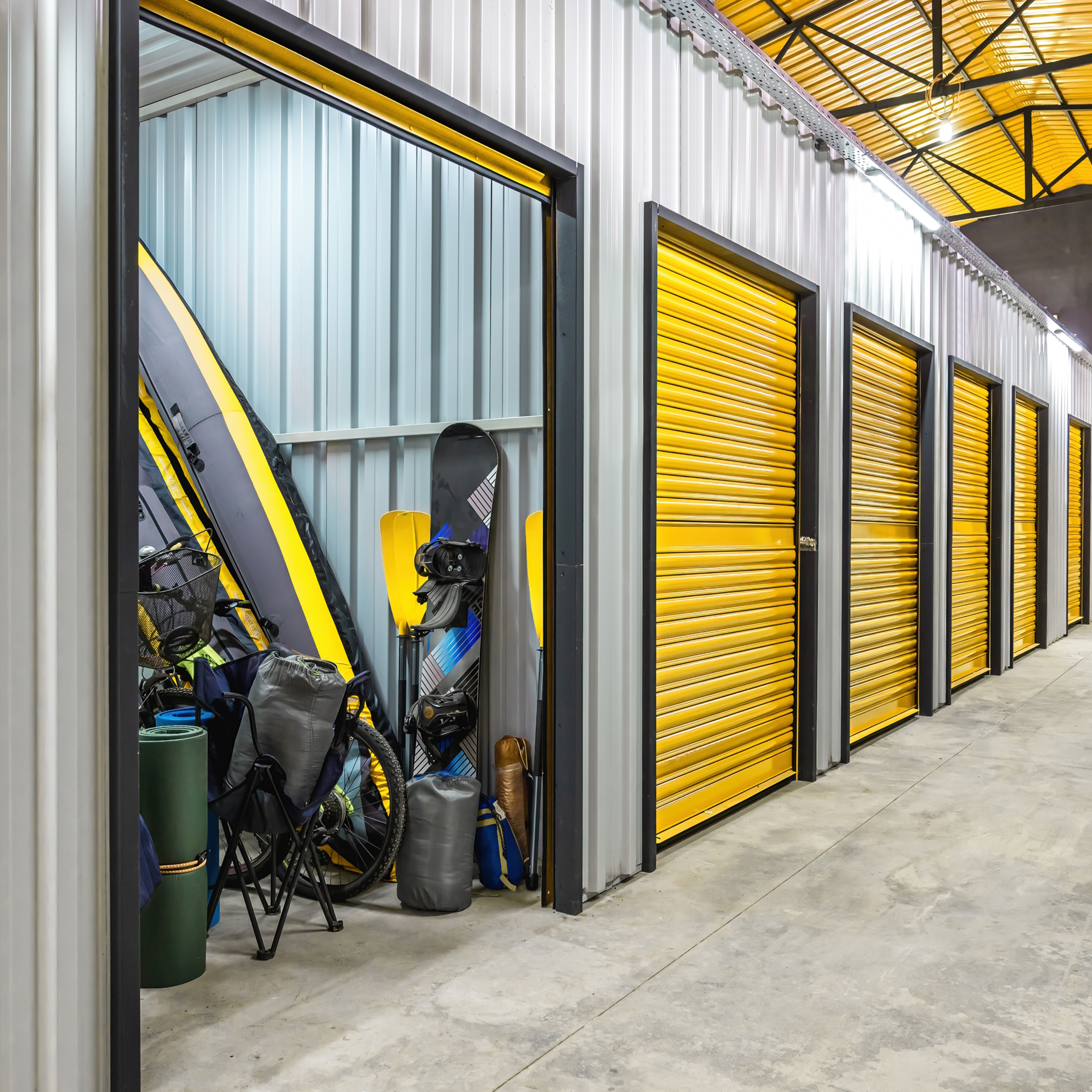
Loss in transit or storage
Items loaned to exhibits or stored offsite are at risk of damage or theft during shipping or handling without specialized coverage.
Numbers to know
Home burglary rate
52%
of burglaries occurred at homes and residences in 2024. (Safe Home, 2025)
Coverage gap
50-70%
of home coverage value applies to possessions, often too low for collections. (Investopedia, 2024)
Our collections insurance options include
Agreed Value
Protect items for a set amount in the event of a loss through theft, accident or disaster.
Automatic Coverage
For additions to your collection, up to an agreed dollar value, with time to notify us.
Additional Coverage
For items shipped, stored outside your residence, loaned or used for special occasions.
Frequently asked questions about personal collections insurance
Collectibles are as unique as collectors themselves. People often take out supplementary coverage for their high-value collections of jewelry, artworks, antiques, coins and stamps, sports memorabilia and vintage wines and spirits. Other items of value, such as rare LPs, books, autographs and even vintage toys may also be considered.
Homeowner’s insurance may not cover certain collectibles, or it may have a low limit on coverage. If your collection is worth more than your home policy covers, you may be able to add special coverage or a rider to your policy to cover the value of the collection.
The first step is to create a list of your collection and document the date purchased, amount paid and any other important details. If you think your collection is worth more than a few thousand dollars, consider getting a formal appraisal. You can talk to your agent about all your options and determine an “agreed value” for your specialized coverage.
If you're an active collector, your collection may continue to grow or appreciate over time. If you decide to sell off some — or all — of your collectibles, you can also decrease your coverage or cancel it. That’s why it’s important to check in with your broker to report any changes.